The Role of Concrete in Modern Infrastructure: Insights from GNE Construction May 10, 2026
In recent decades, the evolution of concrete has been significant. Innovations like high-performance concrete, self-healing materials, and green concrete are transforming standards across the industry. High-performance concrete, for instance, offers superior strength and durability, catering to the needs of skyscrapers and large-scale bridges. By reducing maintenance demands over time, it offers a cost-effective solution for infrastructure requiring long-term reliability.
Self-healing concrete is another breakthrough technology gaining momentum. This material addresses one of the most common issues in concrete constructions—cracking. Through the incorporation of special bacteria or capsules filled with healing agents, the concrete can automatically seal its own cracks. This not only extends the lifespan of the structure but also lowers the maintenance costs, making it an attractive option for sustainable construction.
Sustainability is central to the conversation around modern infrastructure. Traditional concrete, despite its many benefits, has been critiqued for its environmental impact, primarily due to the carbon emissions associated with cement production. To counteract this, GNE Construction and other industry leaders are turning to "green" concrete. This material reduces the carbon footprint by incorporating waste products like fly ash or blast furnace slag into the cement mixture. By doing so, it not only minimizes waste but also enhances the overall sustainability of construction projects.
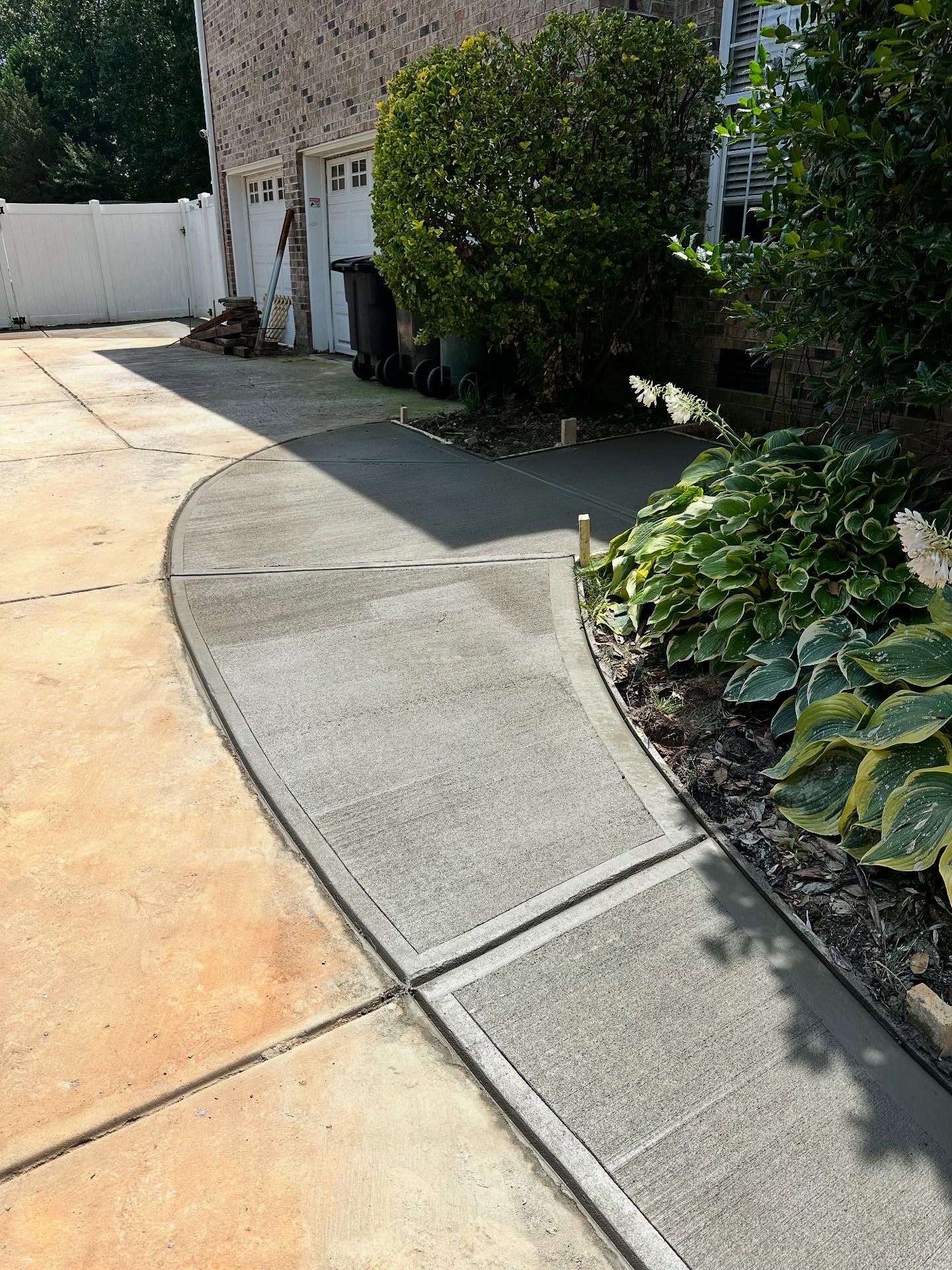
Concrete's versatility further boosts its importance in modern infrastructure. It is not limited to roads and buildings; architects and engineers are continually finding new applications. Precast concrete, for example, is manufactured in a controlled environment and transported to the construction site. This reduces on-site labor and speeds up construction while maintaining high quality. Additionally, decorative concrete offers aesthetic options that developers use to create visually appealing marketplaces and public spaces.
The challenges posed by urban environments demand more than just durability. Concrete must adapt to climate, seismic activities, and other environmental factors. GNE Construction emphasizes the importance of customized solutions to suit specific regional needs. From incorporating thermal insulation to withstand extreme temperatures to using reinforcement techniques in earthquake-prone areas, tailoring concrete mixes ensures safety and efficiency.
Despite these technological advances, the human element remains vital. Skilled labor is essential for maximizing the potential of concrete. At GNE Construction, the emphasis on training ensures that both new technologies and fundamental techniques are used to their fullest extent, providing clients with craftsmanship that stands the test of time.
In summary, concrete remains indispensable in modern infrastructure, balancing strength, innovation, and sustainability. Its adaptability allows it to consistently meet the developing needs of societies. Companies like GNE Construction are at the forefront of these advancements, ensuring that as the landscape of cities evolves, the foundational materials are both reliable and forward-thinking. For stakeholders in urban development, understanding and utilizing the latest in concrete technology is not just beneficial but essential in laying down secure, efficient, and eco-friendly infrastructure for future generations.
/filters:no_upscale()/filters:format(webp)/media/49604130-39e6-47f8-90a6-d348c44a32a7.jpg)
/filters:no_upscale()/filters:format(webp)/media/5fcccedb-3631-40eb-8838-c21e62416bc6.jpeg)